Acronym Overload in Special Education: When Language Becomes a Barrier

Acronym Overload in Special Education: When Language Becomes a Barrier

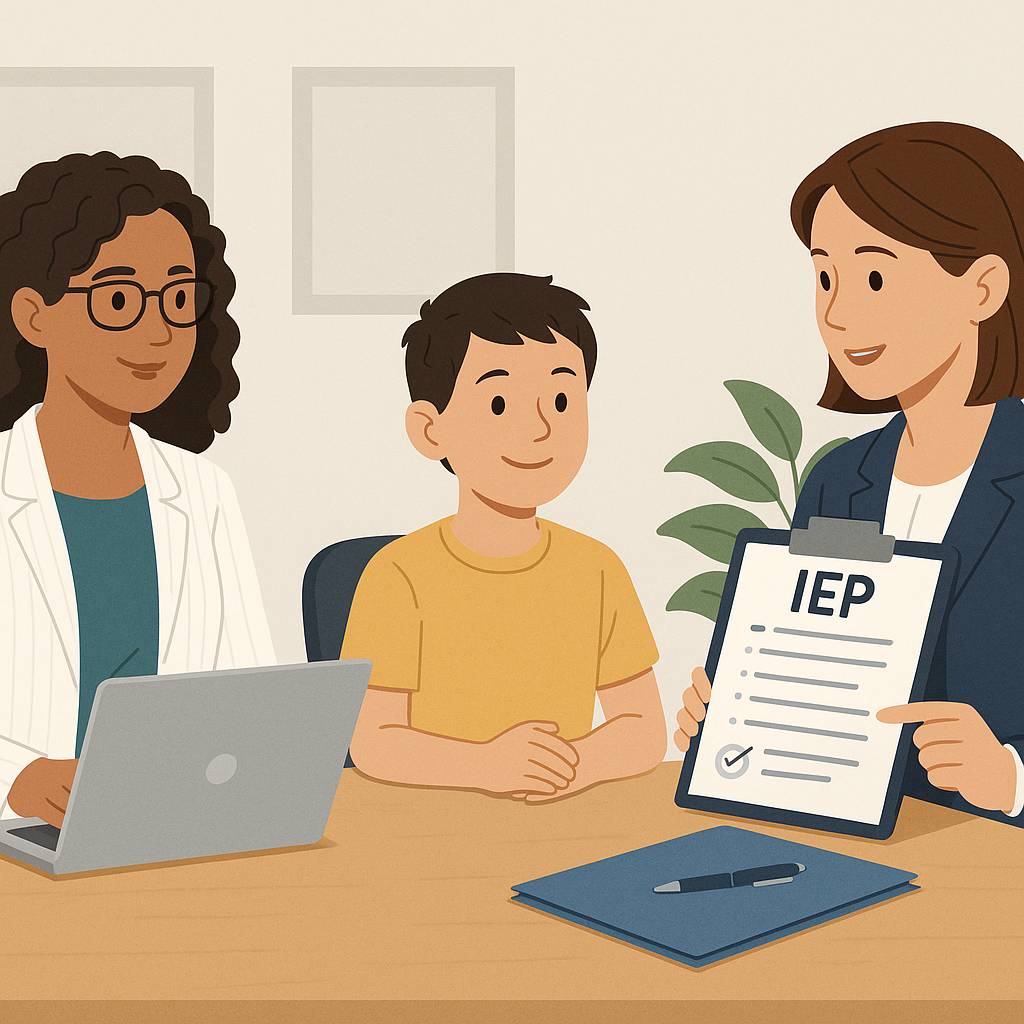
Special education acronyms can unintentionally create barriers for families navigating the IEP process. While terms like IEP, FAPE, LRE, and MTSS are familiar to educators, parents often feel overwhelmed and excluded when language is not clearly explained. At THRIVE Student Support & Behavior Consulting, we believe access includes access to understanding. This article explores how acronym overload impacts collaboration and offers simple, practical ways education teams can support families through clearer communication.

Read Article →
When Schools Pathologize Behavior Instead of Fixing Systems

When Schools Pathologize Behavior Instead of Fixing Systems

Challenging behavior in schools is often treated as defiance instead of communication. This blog explores why punishment-driven responses fail students and how evidence-based strategies grounded in IDEA, PBIS, executive functioning research, and functional behavior assessment lead to better outcomes. Learn how schools and families can shift from compliance to skill-building, align supports with student needs, and create environments where regulation, engagement, and learning can truly occur.

Read Article →
RTI, Progress, and Placement: Let the Data Lead the Decision

RTI, Progress, and Placement: Let the Data Lead the Decision

Response to Intervention (RTI) is designed to be a data-driven framework, not a shortcut to special education. When RTI progress monitoring shows a clear upward trend, federal law requires teams to consider whether a referral is warranted at all. IDEA §300.309 emphasizes insufficient progress as a key factor for evaluation, while Least Restrictive Environment (LRE) provisions require students to remain in general education when progress can be achieved with appropriate supports. This article explains when RTI should continue, when evaluation may be appropriate, and why intervention alone does not equal special education services.

Read Article →
Teaching the Way Children Learn: A Systems Question for Educational Leaders

Teaching the Way Children Learn: A Systems Question for Educational Leaders

When students are disengaged or struggling with behavior, it is often a signal that instruction is misaligned with development. True inclusion is not defined by placement alone but by meaningful access to learning. Strong early learning and general education systems adapt instruction to children, rather than expecting children to adapt to rigid instruction. This article explores how developmentally responsive practices, Universal Design for Learning, predictable routines, and relationship-centered classrooms support engagement, self-regulation, and learning for all students, not just those with disabilities.

Read Article →
Regulation Before Instruction: Why De-escalation Skills Matter for Teachers and Parents

Regulation Before Instruction: Why De-escalation Skills Matter for Teachers and Parents

Many new teachers enter classrooms without training in de-escalation and self-regulation, leading to reactive behavior management, lost instructional time, and increased burnout. Research and IDEA guidance make it clear that a dysregulated brain cannot learn. This article explores why regulation must come before instruction, how predictable structure and relationship-based practices reduce behavioral escalation, and which evidence-based strategies teachers and parents can use together to support student learning, emotional safety, and access to a Free Appropriate Public Education (FAPE).

Read Article →
When Compliance Becomes the Goal, Learning Gets Lost

When Compliance Becomes the Goal, Learning Gets Lost

Compliance-driven discipline may produce short-term obedience, but it rarely leads to lasting behavior change, especially for students with disabilities. This article explores why removing power struggles, teaching regulation and executive functioning skills, and maintaining consistent discipline structures between home and school leads to safer, more effective learning environments. Drawing from real classroom and behavior consulting experience, it explains how shifting from control to skill-building reduces escalation, strengthens relationships, and supports meaningful student progress.

Read Article →
MTSS Cannot Delay an IEP: What Parents Should Know

MTSS Cannot Delay an IEP: What Parents Should Know

Can a school require MTSS before evaluating for an IEP? Federal law says no. This parent-friendly guide explains why MTSS cannot delay or deny a special education evaluation under IDEA’s Child Find requirement. Learn how MTSS and IEPs are meant to work together, common misconceptions schools share, and what parents can do when evaluations are postponed. Grounded in IDEA, OSEP guidance, and Wrightslaw to help families advocate for timely, appropriate support.

Read Article →
When a 504 Isn’t Enough: Understanding When Your Child May Need an IEP

When a 504 Isn’t Enough: Understanding When Your Child May Need an IEP

A 504 Plan can remove barriers, but what happens when accommodations aren’t enough? This parent-friendly guide explains when a child may need more than access supports and why specialized instruction under IDEA may be necessary. Learn the key differences between a 504 Plan and an IEP, warning signs that progress is stalling, and your rights to request an evaluation. Grounded in federal law, Wrightslaw guidance, and practical advocacy insight to help families ensure meaningful progress—not just compliance.

Read Article →
IEP, 504, MTSS… What’s the Difference and Why It Matters for Your Child

IEP, 504, MTSS… What’s the Difference and Why It Matters for Your Child

Confused about the difference between an IEP, a 504 Plan, and MTSS? This parent-friendly guide explains how these supports differ, how they build upon each other, and why the distinction matters for your child’s education. Learn how MTSS supports early intervention, how Section 504 ensures equal access, and how IDEA-protected IEPs provide specialized instruction. Includes federal references, Wrightslaw guidance, and practical advocacy insight to help families navigate school supports with confidence.

Read Article →
The Role of Trust in Student Growth: Building Bridges Between Home and School

The Role of Trust in Student Growth: Building Bridges Between Home and School

Trust between families and schools is essential for student success, especially during the IEP process. This blog explains what trust means for your child, how schools balance legal requirements under IDEA, and how collaboration supports FAPE in the Least Restrictive Environment (LRE). Learn practical communication scripts for parents, a checklist to prepare for productive IEP meetings, and strategies to build shared understanding around PLAAFPs, measurable goals, progress monitoring, procedural safeguards, and prior written notice. When families and educators work together with transparency and respect, students receive more effective, individualized support.

Read Article →
When Behavior Improves but Learning Doesn’t

When Behavior Improves but Learning Doesn’t

When student behavior improves but academic learning does not, teams can feel stuck and frustrated. This blog explores why behavior gains don’t always translate into learning progress and how parents and educators can find common ground through clear, nonjudgmental communication. Grounded in IDEA and evidence-based practices, it highlights strategies that keep instruction—not compliance—at the center of decision-making. Learn how data-driven collaboration, explicit instruction, and aligned behavior supports help ensure students receive meaningful educational benefit and continued academic growth.

Read Article →
Explicit Direct Instruction: What Is It—and Why Does It Matter for Students With Disabilities?

Explicit Direct Instruction: What Is It—and Why Does It Matter for Students With Disabilities?

Explicit Direct Instruction is a structured, evidence-based teaching approach that improves learning outcomes for students with disabilities. This blog explains what explicit instruction is, why it supports access to learning under IDEA, and how it benefits students with diverse learning needs—including auditory, visual, hands-on, and discovery-based learners. Learn how clear modeling, guided practice, and intentional scaffolding reduce cognitive overload, strengthen executive functioning, and promote independence, confidence, and meaningful progress for all learners.

Read Article →
Executive Functioning Deficits Aren’t Character Flaws

Executive Functioning Deficits Aren’t Character Flaws

Executive functioning deficits are not character flaws or behavioral problems. This blog explains how challenges with task initiation, organization, emotional regulation, and follow-through are neurological skill gaps—not laziness or defiance. Grounded in IDEA, FAPE, and Wrightslaw guidance, we explore why punishment fails, how mislabeling harms students, and what effective, legally aligned supports actually look like in classrooms and at home. Learn how executive functioning impacts access to learning and why proactive, skill-based supports are essential for student success and inclusion.

Read Article →
When Punishment Replaces Teaching, Students Pay the Price

When Punishment Replaces Teaching, Students Pay the Price

Punitive discipline practices are still widely used in schools, yet research and IDEA guidance emphasize skill-building over punishment. This THRIVE blog explores why teaching regulation, executive functioning, and replacement behaviors leads to meaningful behavior change—especially for students with disabilities. Learn how punishment can limit access to learning, how positive behavioral supports align with FAPE and the Least Restrictive Environment, and why collaboration between schools and families creates lasting outcomes. Discover advocacy-informed strategies that support dignity, inclusion, and student success.

Read Article →
The Burnout Is Real — But So Is Our Power to Change What Happens Next

The Burnout Is Real — But So Is Our Power to Change What Happens Next

Teachers and parents are exhausted—and for good reason. Excessive testing, reduced play, and rising mental health needs are pushing schools and families to the edge. This blog moves beyond venting to real solutions grounded in IDEA, trauma-informed practices, and child development research. Learn how regulation-first strategies, collaboration, and developmentally appropriate supports can reduce burnout, improve behavior, and create learning environments where students and educators can truly thrive.

Read Article →
PDA vs. ODD: Why the Difference Matters & How Getting It Right Supports Regulation, Not Punishment

PDA vs. ODD: Why the Difference Matters & How Getting It Right Supports Regulation, Not Punishment

Understanding the difference between Pathological Demand Avoidance (PDA) and Oppositional Defiant Disorder (ODD) is essential for supporting students through regulation—not punishment. While behaviors may appear similar, PDA is rooted in anxiety and nervous system overwhelm, whereas ODD reflects persistent patterns of defiance. This blog explains how misidentification can escalate behaviors and interfere with access to FAPE under IDEA. Learn PDA-safe classroom and home strategies that prioritize autonomy, reduce demand pressure, support emotional regulation, and promote inclusive, collaborative learning environments aligned with best practices in special education.

Read Article →
10 Sensory Triggers That Are Often Missed (and What Helps)

10 Sensory Triggers That Are Often Missed (and What Helps)

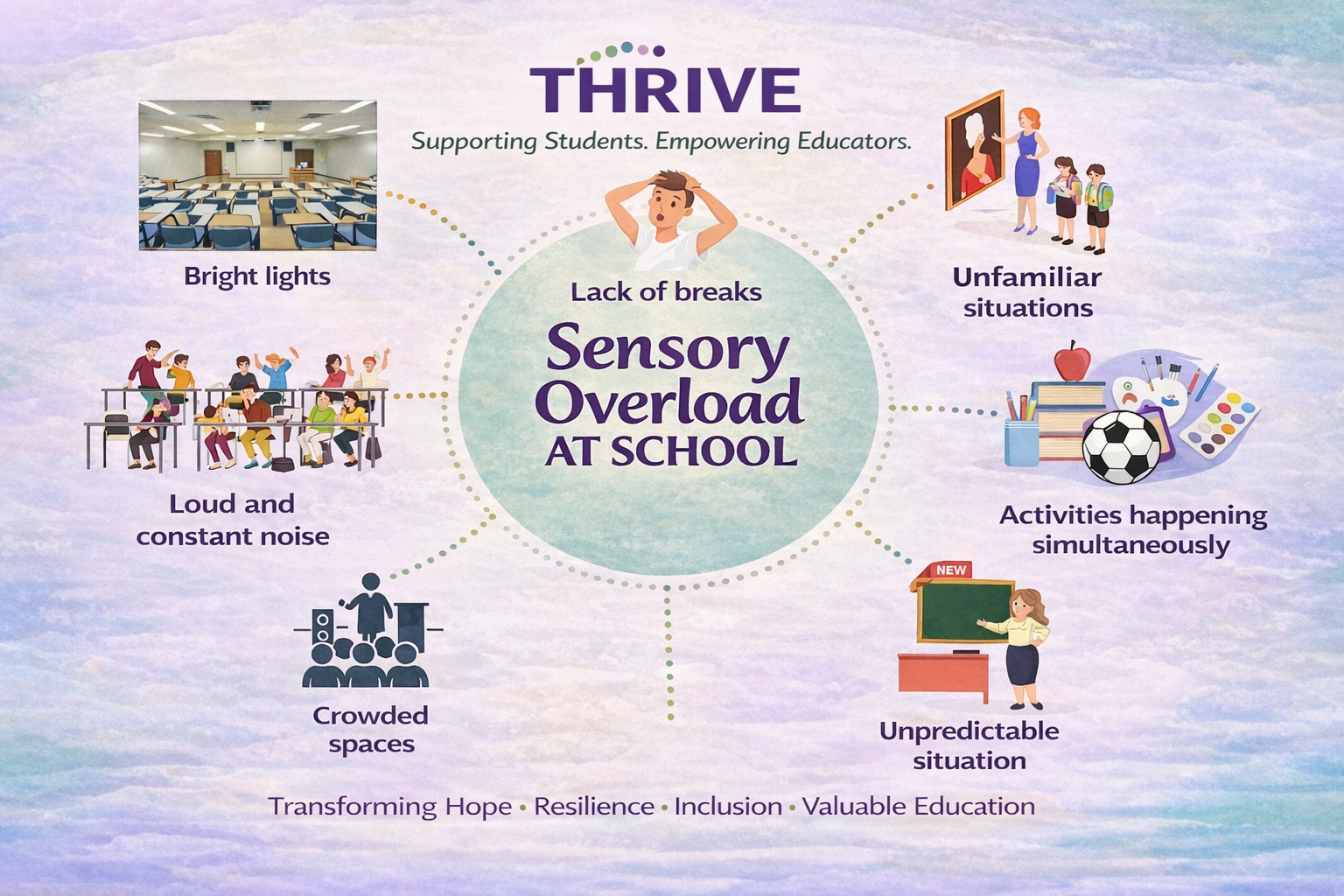
Many students experience sensory triggers that go unnoticed in classrooms and learning environments. This blog explores 10 commonly missed sensory triggers—including lighting, noise, transitions, touch, smells, visual clutter, and emotional atmosphere—and explains how they impact regulation, behavior, and learning. Grounded in best practices for supporting students with autism, ADHD, trauma histories, and sensory processing differences, this guide offers practical, school- and home-based strategies to help adults respond supportively when students are triggered. Learn how proactive sensory accommodations reduce meltdowns, improve focus, and create inclusive learning environments where all students can thrive.

Read Article →
Why Some Students Do Not Learn at the Same Speed or the Same Way

Why Some Students Do Not Learn at the Same Speed or the Same Way

Why do some students learn differently or need more time? Brain science shows that learning speed, sensory processing (visual, auditory, tactile), and executive functioning vary widely. This THRIVE-informed article explains how neurological differences—not motivation—impact learning, highlights common executive functioning barriers for students with disabilities, and outlines how IDEA requires individualized, brain-based supports so every student can access education and succeed.

Read Article →
Co-Regulation + De-Escalation Without “New Demands”: A THRIVE Guide for Schools Serving Students Under IDEA

Co-Regulation + De-Escalation Without “New Demands”: A THRIVE Guide for Schools Serving Students Under IDEA

Learn how co-regulation and de-escalation techniques help calm students without adding new demands that escalate behavior. This blog explains trauma-responsive strategies schools and families can use to support regulation, reduce meltdowns, and maintain dignity while staying compliant with IDEA. Explore evidence-based practices, understand what qualifies as isolation or seclusion, and learn why proactive supports, documentation, and collaboration are essential to protecting FAPE and keeping students safely included.

Read Article →
What Teachers Wish Parents Understood About Special Education

What Teachers Wish Parents Understood About Special Education

What Teachers Wish Parents Understood About Special Education explores the realities educators face under IDEA, common misunderstandings about IEPs, behavior support, and Least Restrictive Environment, and how Wrightslaw-aligned best practices improve collaboration. Learn how parents, teachers, and advocates can work together to ensure FAPE, meaningful progress, and student-centered support without conflict.

Read Article →
5 Simple Routines Families and Schools Can Share to Support Regulation

5 Simple Routines Families and Schools Can Share to Support Regulation

Supporting student regulation requires more than reacting to behavior—it requires shared, proactive routines across home and school. This blog outlines five simple, effective regulation routines families and educators can implement together to support students with disabilities. Aligned with IDEA, FAPE, and Wrightslaw guidance, these strategies help IEP teams meet their obligation to provide positive behavioral supports, improve consistency, and strengthen collaboration—without adding unnecessary burden to teachers or parents.

Read Article →
School vs. Parent Is a Losing Game—Here’s the Team Approach That Works

School vs. Parent Is a Losing Game—Here’s the Team Approach That Works

School vs. parent conflict in special education hurts students. Learn how IDEA requires collaboration, meaningful parent participation, and data-driven IEP decisions. Discover why a team-based approach works, how proactive supports improve outcomes, and how a special education advocate helps both parents and schools create compliant, student-centered IEPs that support FAPE and the least restrictive environment.

Read Article →
THRIVE Student Support & Behavior Consulting Is Now Serving Families Nationwide

THRIVE Student Support & Behavior Consulting Is Now Serving Families Nationwide

THRIVE Student Support & Behavior Consulting now serves families nationwide through virtual and phone-based advocacy. Grounded in IDEA and FAPE, THRIVE helps parents understand their rights, review IEPs and evaluations, and navigate state-specific procedural safeguards. While in-home behavior consulting is limited to Southeastern Ohio up to the Columbus area, expert guidance and advocacy are available to families across the U.S.

Read Article →
What Happens in the Brain During a Meltdown (and Why Logic Fails)

What Happens in the Brain During a Meltdown (and Why Logic Fails)

When a child experiences a meltdown, logic doesn’t work—and neuroscience explains why. This blog explores what happens in the brain during a meltdown, how the amygdala overrides the thinking brain, and why behavior is communication, not defiance. Learn how THRIVE-aligned, evidence-based practices and IDEA-supported strategies help parents and schools move from punishment to regulation, safety, and meaningful behavior change.

Read Article →
Least Restrictive Environment Explained — Without the Legal Jargon

Least Restrictive Environment Explained — Without the Legal Jargon

Least Restrictive Environment (LRE) is one of the most misunderstood parts of the special education process. This parent-friendly guide explains what LRE really means, what it does not mean, and how IEP teams should determine placement based on meaningful progress, safety, and support — not just inclusion on paper. Learn how families can advocate for appropriate services that help students succeed academically, behaviorally, and emotionally.

Read Article →
When Inclusion Impacts Safety: What Parents Can Do When a Classroom Becomes Unsafe

When Inclusion Impacts Safety: What Parents Can Do When a Classroom Becomes Unsafe

When inclusion impacts safety, parents are often left unsure of what to do. This blog explains why schools prioritize access, what IDEA actually requires when behavior disrupts learning, and how parents can advocate without blaming another child. Learn your options, understand the law, and discover collaborative, student-centered solutions that protect safety, learning, and inclusion for all.

Read Article →
Progress Over Perfection: What Real Success Looks Like

Progress Over Perfection: What Real Success Looks Like

Perfection is not the goal of education—progress is. This blog explores what real success looks like for students, especially those with disabilities, executive functioning challenges, or behavioral needs. Learn how focusing on growth, data-informed decisions, and individualized supports helps families and schools move beyond compliance toward meaningful, sustainable progress that allows students to truly thrive.

Read Article →
How Parents Can Support Teachers Without Taking on the School’s Job

How Parents Can Support Teachers Without Taking on the School’s Job

Parents want to help, but taking on the school’s responsibilities can create burnout, confusion, and conflict. This blog explains how parents can support teachers effectively without replacing school systems or services. Learn practical ways to reinforce learning at home, communicate collaboratively, and advocate within IDEA while maintaining healthy boundaries that protect educators, families, and students.

Read Article →
Email Templates That Keep Communication Collaborative (Not Combative)

Email Templates That Keep Communication Collaborative (Not Combative)

Clear communication can strengthen school partnerships—or quickly create conflict. This blog shares practical email strategies that help parents advocate effectively without sounding combative. Learn how tone, wording, and documentation impact outcomes and trust. Includes ready-to-use email templates designed to keep communication collaborative, professional, and student-centered, with a downloadable PDF for easy reference.

Read Article →
The IEP Process Is Not School vs. Parent

The IEP Process Is Not School vs. Parent

The IEP process should never be a school vs. parent battle. Learn how collaboration, proactive behavior strategies, and IDEA-aligned practices lead to better student outcomes. This THRIVE blog explores common power struggles in special education, the importance of prevention over reaction, and evidence-based strategies schools and families can use together to support student success.

Read Article →
Parents Don’t Know What They Don’t Know: Why an Advocate Matters in Special Education

Parents Don’t Know What They Don’t Know: Why an Advocate Matters in Special Education

Parents navigating special education often don’t know what they don’t know. This blog explains why a special education advocate matters, how IDEA protects student rights, and how state procedural safeguards fit within federal law. Learn how advocacy empowers families, supports meaningful IEP participation, and helps ensure students receive appropriate services and supports.

Read Article →
Why Every School Should Have a Behavior Consultant

Why Every School Should Have a Behavior Consultant

Every school faces complex student behavior challenges. Learn why behavior consultants are essential for improving student outcomes, supporting teachers, maintaining IDEA compliance, reducing discipline issues, and creating safe, inclusive school environments. Discover how proactive behavior consultation transforms schools, strengthens systems, and helps students thrive.

Read Article →
What Value Does an Advocate Bring to My Family?

What Value Does an Advocate Bring to My Family?

What value does a special education advocate bring to families? Learn how an IEP advocate helps parents navigate the special education process, understand IDEA, protect student rights, ensure FAPE, support the least restrictive environment, and strengthen parent participation in IEP meetings. Discover how advocacy empowers families and supports student success.

Read Article →
What to Expect After Your Child’s Special Education Evaluation — And How to Ensure They Receive the Supports They Need in Their Least Restrictive Environment (LRE)

What to Expect After Your Child’s Special Education Evaluation — And How to Ensure They Receive the Supports They Need in Their Least Restrictive Environment (LRE)

Understand what happens after your child’s Special Education Process evaluation and how to ensure they receive the supports needed to thrive in their Least Restrictive Environment (LRE). This guide explains eligibility, IEP development, IDEA requirements, and how parents can advocate for effective services, data-driven decisions, and meaningful participation in the IEP team to support long-term student success.

Read Article →
Why Consistency Matters: The Key to Supporting Students With Unsafe Behaviors

Why Consistency Matters: The Key to Supporting Students With Unsafe Behaviors

Supporting a child with unsafe or disruptive behaviors takes more than a good plan—it takes consistent implementation across home and school. Research shows that predictable routines, shared expectations, and aligned intervention strategies strengthen self-regulation and reduce crisis-level behaviors. This blog breaks down why consistency matters and how families and schools can work together to create structure that truly helps students thrive.

Read Article →